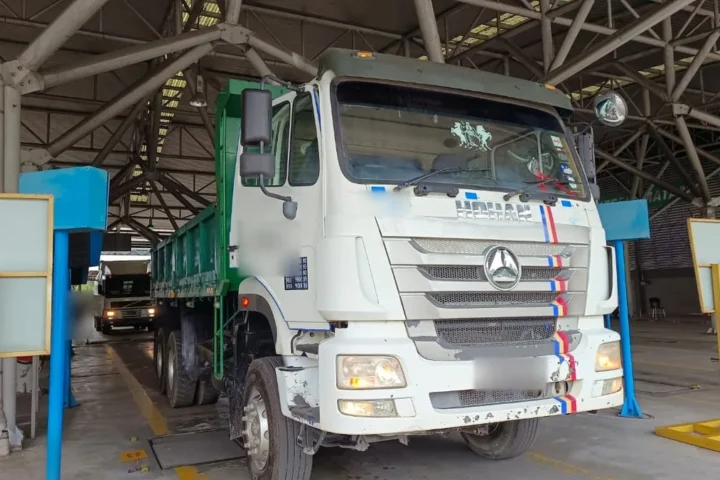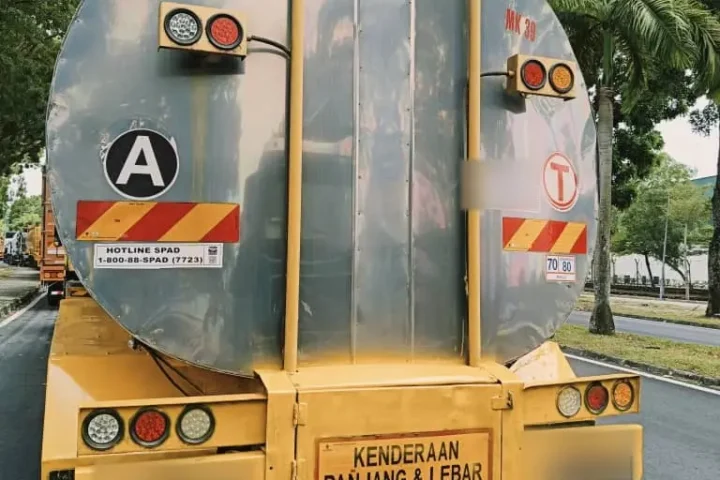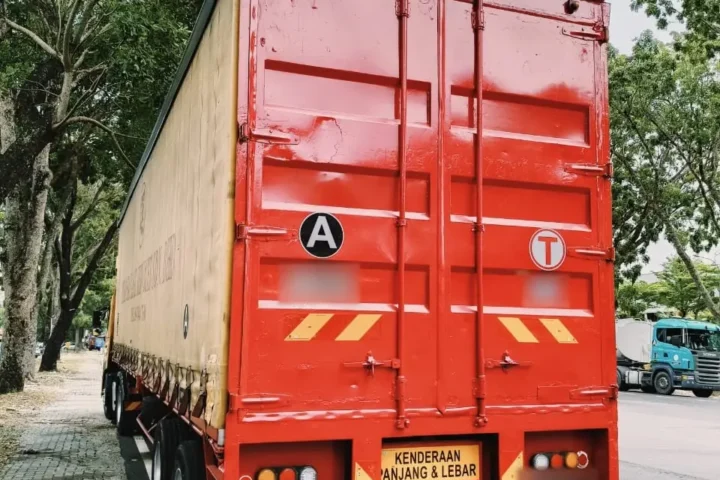
This APAD permit guide sets out what you need to know. If your company runs trucks, the APAD permit (permit APAD lori) is one of the most important documents you hold. Agensi Pengangkutan Awam Darat (APAD) licenses goods vehicles in Peninsular Malaysia. In Sabah and Sarawak, a separate body (LPKP) handles it. This guide comes from the APAD permit services team at Dynamic Costa and explains how the system works in practice.
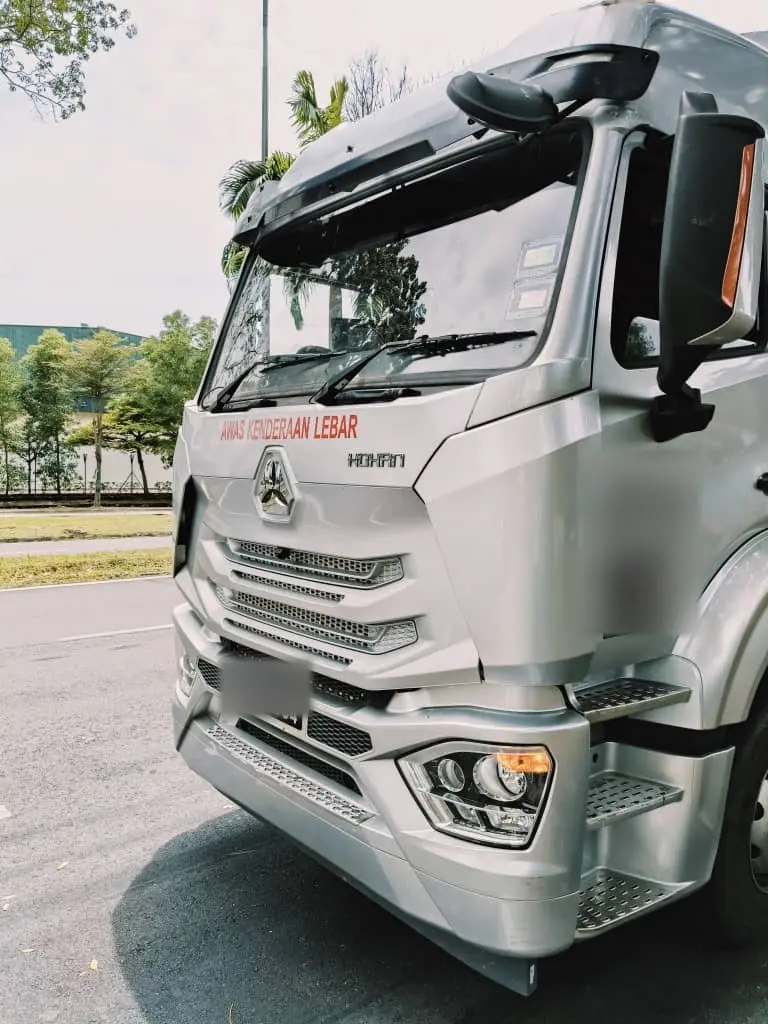
Does my truck need a goods vehicle permit?
Any truck above 7,500 kg BDM needs an APAD permit. At 7,500 kg BDM and below, you don’t need a permit for now if you carry your own goods. Under Ministry of Transport guidelines effective 1 April 2026, a vehicle in this range that carries other parties’ goods for hire needs a Permit A (Pembawa A) from APAD (MOT media statement, 16 March 2026).
Permit A, C or KA: which one do I need?
- Permit C: for carrying your own goods, e.g. manufacturers delivering their own product. Permit C lets you operate across the whole of Semenanjung Malaysia.
- Permit A: for carrying other parties’ goods. It’s a broad permit that covers rigids and non-container semitrailers such as tankers.
- Permit KA (“K” for Kontena): the permit for container haulage. Eligibility depends on your company’s setup, so contact Dynamic Costa for an assessment.
A common trap: “own goods” means goods belonging to the same company (the same SSM number). If your trucks are registered under a sister or subsidiary company, that company is carrying another company’s goods, so it needs permit A. One company can hold both A and C if it carries its own goods and also delivers for a related company.
Each permit records the BDM, jenis kenderaan (vehicle type) and jenis barang dibawa (goods carried). For prime movers, goods carried is N/A. Prime movers and trailers have separate permits.
Lesen pengendali vs lesen kenderaan
- Lesen pengendali (operator licence): issued to the company.
- Lesen kenderaan / permit: issued to each individual truck.
For a new company, the lesen pengendali is granted together with the first approved permit, with no extra step. It’s issued for 2 to 5 years at APAD’s discretion. Fees are set by APAD and may change.
The iSPKP system
iSPKP (iportal.ispkp.gov.my) is APAD’s online licensing portal, introduced around late 2023 and early 2024. Both new and existing operators must register. Registration needs company details and an electronic identity check (e-KYC) by a company director.
Documents you will need
- 3 months of bank statements showing the required balance
- Active GPS on all existing lorries
- Proof of parking: a land title, an LHDN-stamped rental agreement, or the landowner’s title plus a letter of permission
- Permit A: contract letters with clients for delivering goods
- Permit C: customer invoices or delivery orders for your own goods
Financial capability: at least 30% of the vehicle price must be reflected in the latest 3 months of bank statements. According to APAD’s Panduan Dasar Pelesenan (SPAD-era guideline, still published on apad.gov.my), Sdn Bhd, Berhad and cooperative applicants need paid-up capital (modal berbayar) of at least RM250,000 for permit A or C, and at least RM500,000 for permit KA (Kontena). Individuals and partnerships need no paid-up capital, but do need accumulated capital equal to 30% of the vehicle price. Confirm current figures with APAD before applying.
Vehicle age limits
Based on recent applications, new permits (STK) for rigids and prime movers have a vehicle age limit of 10 years for Sdn Bhd companies (up to 15 years on appeal) and 25 years for enterprises. Trailers have no age limit. The limit only applies to vehicles with an engine.
Approval letters: Surat Tawaran Kelulusan (STK) and Surat Kelulusan (SK)
A Surat Tawaran Kelulusan (STK) is issued when a new permit is approved. It is valid for 1 year and is extended once, automatically, for 1 more year. An APAD Surat Kelulusan (SK) is issued for an approved ubahsyarat and is valid for 12 months. Based on recent applications, SK extensions are no longer granted.
PUSPAKOM and your permit
You don’t need a PUSPAKOM inspection to apply for a new permit (STK), but you do need one to license the vehicle. A licensed truck must display its APAD permit, PUSPAKOM disc and road tax disc.
How long does it take?
A new permit approval typically takes 30 to 60 days, but this is not guaranteed. Timing is decided by APAD. If it’s rejected, you have to go through the process again. Common rejection reasons:
- no GPS on some vehicles
- insufficient documents
- too much foreign equity among the directors
A warning on unpaid summonses: in September 2026, JPJ said it would work with APAD to suspend the permits of commercial vehicle companies with large numbers of unpaid summonses (paultan.org, 11 Sep 2026). This is a warning from the authorities, not an established rule for permit approval, but settling summonses early is the safest approach.
Why use a permit services specialist?
Uploading documents is the easy part. The hard part is follow-up: system issues, document queries and data errors that often need in-person visits to APAD HQ. Dynamic Costa can manage the whole process for your company, from preparing your documents to following up until APAD makes a decision, then coordinating the PUSPAKOM and JPJ steps.
Based on Dynamic Costa’s hands-on experience and official APAD/iSPKP sources, October 2026. Requirements change, so confirm current rules before applying.
Related reading
You can also read about Dynamic Costa’s permit FAQ, commercial vehicle permit services. For official information, see the APAD goods vehicle circulars. Contact Dynamic Costa on 010 652 1186 or dynamiccosta@gmail.com.